
meta

Sometimes, being understood changes everything. 

Living with depression or bipolar disorder can feel isolating. Peer support offers an opportunity to connect with people who understand these experiences firsthand. Through shared experiences, people can feel less alone, discover new perspectives, and build confidence in their own paths toward recovery.
What connection makes possible

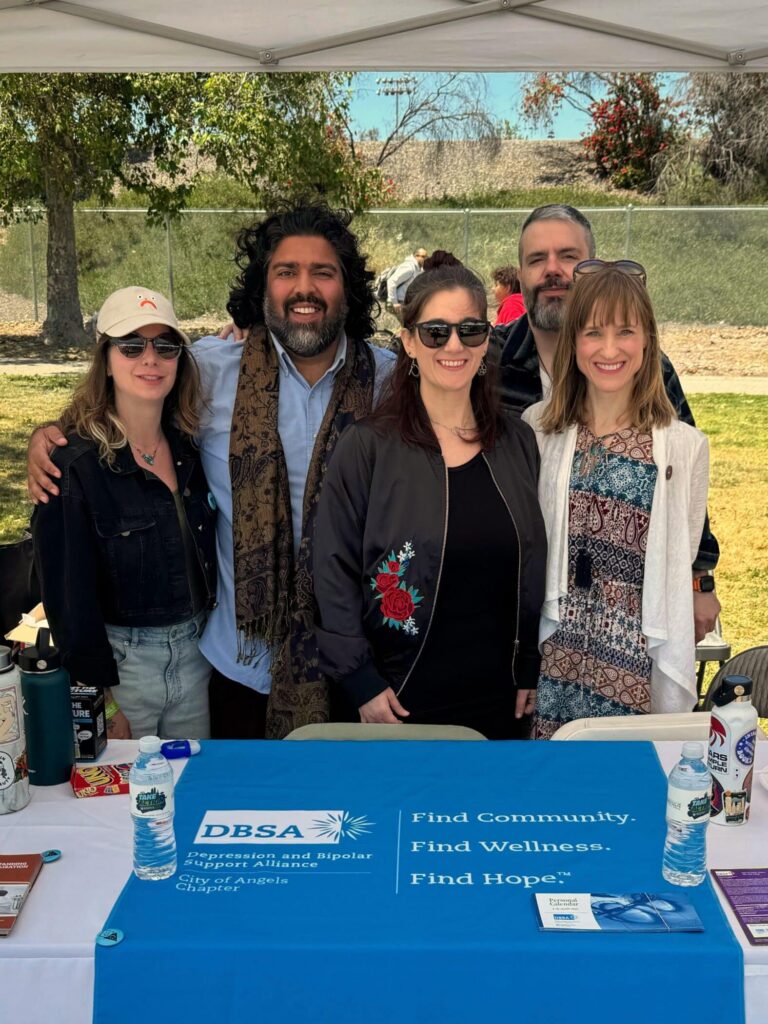
Connecting with people who understand the challenges of living with a mood disorder can help ease isolation and create a sense of belonging.

Finding community

Connecting with people who understand the challenges of living with a mood disorder can help ease isolation and create a sense of belonging.

Finding new perspectives

Hearing how others navigate similar experiences can introduce new ideas, coping strategies, and possibilities for moving forward.

Building confidence and hope

Peer support creates space to recognize personal strengths, learn from others, and see what recovery can look like.

In Their Own Words

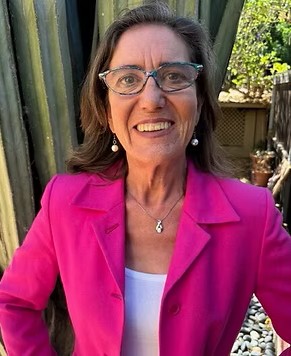
Wendy McNeill

Every story offers a different perspective on the impact of peer support. These stories from the DBSA community highlight the connections, insights, and possibilities that can emerge through shared experience.

Wendy’s Story

In 2001, Wendy walked into a DBSA support group at a crossroads in her life. What she found was more than support: it was a community that helped her imagine a future she once thought was out of reach. A longtime DBSA member, volunteer facilitator, advocate, and most recently a Create to Cope workshop facilitator, Wendy reflects on the people and connections that changed her life.

Read Wendy’s Story

Find More Inspiration


Robert D.
For most of my childhood and young adult life, growing up in my community, I was taught that I could just pray about things or have faith in God and all my problems would be taken care of. My experience taught me otherwise. Read more…
 
 
Caroline M.
As a first-generation person born in the United States to working-class immigrant parents, my ethnicity is a big part of my identity, and it shapes the way I experience our world. Read more…
 
 
Aidan M.
How do you explain inexplicable sadness? Confusion? A loss of self? Few life experiences prepare you for the inner turmoil that mental health issues create. Read more…

Make Peer Support Part of Mental Health Care

Peer support is a meaningful, research-supported resource for people living with mood disorders. Recognizing peer support as part of the standard of care can help more people access the connection and understanding they need.

Stay Connected
Join our mailing list to learn about our upcoming programs, services, and ways you can become involved.
For so many, being understood changes everything. Peer support helps people living with mood disorders find connection, discover new perspectives, and build hope for recovery.
Your gift helps DBSA expand access to free peer support groups and advance its recognition as part of the standard of care.
For so many, being understood changes everything. Peer support helps people living with mood disorders find connection, discover new perspectives, and build hope for recovery.
Your gift helps DBSA expand access to free peer support groups and advance its recognition as part of the standard of care.