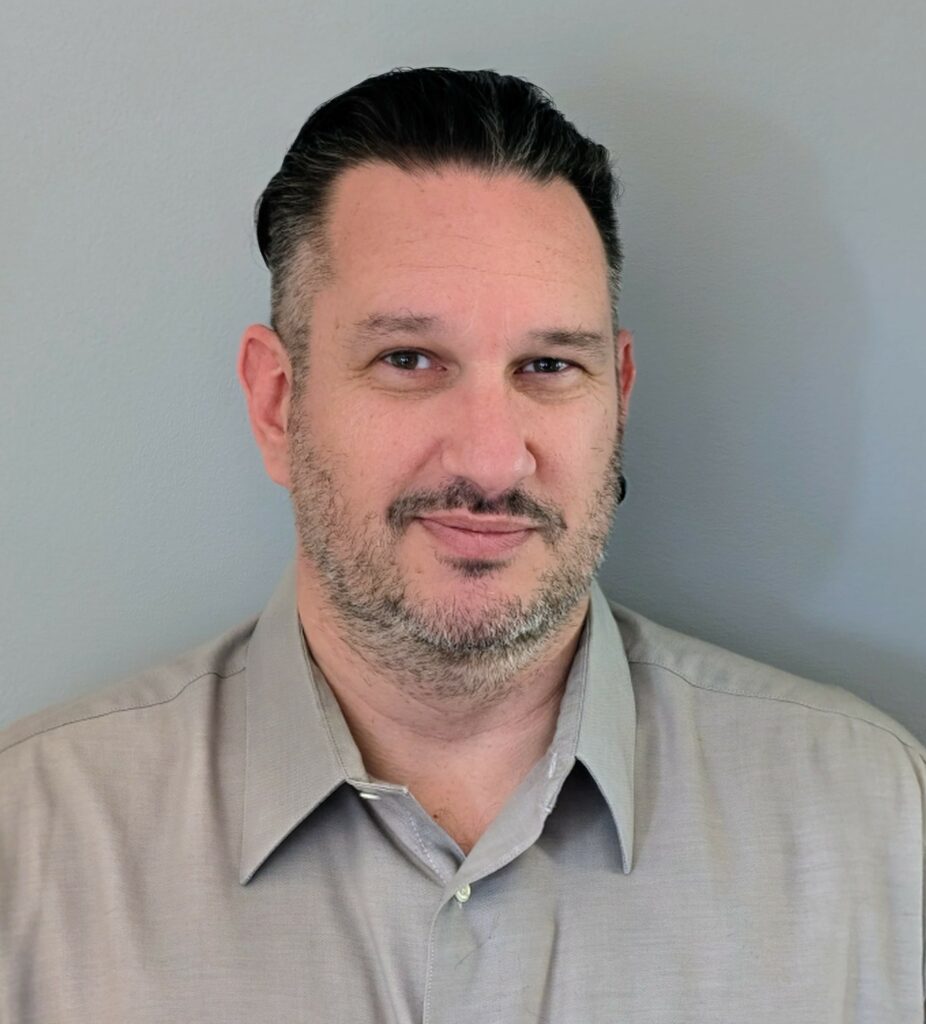
I am an ethically non-monogamous, bisexual male in an open marriage, and my identity has allowed me to connect with a wide variety of people from many different backgrounds. At the same time, belonging to a marginalized community has meant experiencing the good, the bad, and the ugly that can come with being seen as different.
Living with a mood disorder while also being part of a marginalized community can make feelings of loneliness and isolation feel suffocating. One of my biggest challenges was losing my sense of self, feeling like no one understood what I was going through, and believing I would never truly be well.
What helped me most was peer support.
Going to peer-led support groups and sharing my story changed my life. Seeing others with similar struggles showed me that I was not alone, and that realization helped me become more open about my own experiences. Today, I continue that work as a facilitator, peer specialist, and trainer for other peer specialists. One of the biggest roles in my journey has been serving as a co-trainer for DBSA’s Peer Support Specialist course.
Community, chosen family, peer support, advocacy, and connection have all shaped who I am. Some experiences were good, some were difficult, but all played a role in making me who I am today—and who I will continue to become.
To me, feeling safe, seen, and understood means being able to live my life my way without judgment. It means not only being part of a community but being accepted by one, especially a community that is often treated like an outcast.
I want people to remember this: you are not your diagnosis. No matter how you may feel, you are not alone, and it does get better.
I know not everyone will fully understand what it means to live with a mood disorder while also being part of the LGBTQ+ community—and that’s okay. All we ask is that people listen with an open mind and hear us without judgment.
I’m sharing my story because I want both peers and supporters to see marginalized groups as people. I hope my story helps someone realize they are not alone in the world and encourages them to find a peer-led support group where they can begin their own path toward wellness.