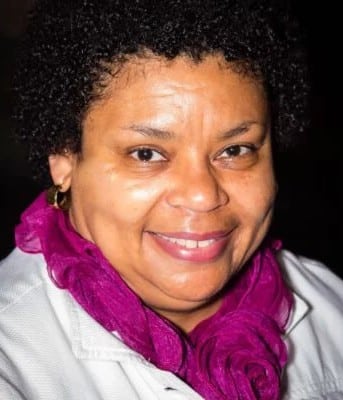
My genetic makeup is a descendant of Africa, Native American, and Europe. These three converge to create a multidimensional woman striving to reach her highest potential while navigating chronic illness.
When you decide to be African American, your identity is shaped by the constant struggle to be affirmed. Unfortunately my story is debated and suppressed instead of being acknowledged and celebrated. These conditions contribute to mental health issues.
My earliest memories of having my identity challenged were in school and church, and associated with my intellect. As an adolescent, it was assumed that I would be a teen mother. I was treated as an anomaly and someone who didn’t belong. In addition, making sure I maintained my identity was challenging in a society that demeaned women. As a woman in my 60s, I’ve learned to navigate different forms of racism as part of life and make sure I help my children and grandson do the same.
The most important part of my lived experience is that it is possible to live your best life. I want others to hear and understand that knowing who you are is part of telling your story so I will talk about genealogy, family history, the stories of my elders, ancestral legacy, and my most important role as a mother and grandmother. I will also share why I chose to major in public policy studies, sociology, and education with a primary focus on housing issues, legislation, and implementation as part of discussing human and civil rights and understanding what’s necessary to be mentally healthy.
My biggest challenges have been understanding my well-being because mental health is not just about taking medicine. It’s also about your environment, both at home and beyond. It’s about your income and how you use it as a resource. It’s about your professional opportunities. Most of all, for me, it’s about what it means to be a mother and guide my descendants to their highest potential.
I’m grateful that I love learning. It was instilled by my parents, especially my mother. She was able to identify my interests and make sure I did what brought me joy. I am able to share that message with others as a steadfast encourager because I know I have a heart of gold, which basically means I’m a good person and can light the way forward. My story is one of faith, hope, and love, which, when combined, provides an enduring ancestral legacy.
My spirituality is the greatest part of who I am, and I’m reminded of my father, who never said goodbye. He said, “Be good.” I understood that he was sending me out to a world where the challenges of racism and inequity would not defeat…that I would instead be motivated to stay focused on the big picture as my mother would say, “Keep your chin up and your head down.” I learned to navigate the world as a visionary, a woman more focused on possibilities and opportunities. Yes, there are problems and tragedies, but discussing them within the context of strategies and solutions fosters collective understanding and action that lead to the necessary change. Understanding this is part of my healing journey, and I’m grateful to be part of creating necessary change.
The main thing about being BIPOC is to embrace your ancestry…celebrate it. I’ve been in the mental health system for over 50 years and witnessed a lot of change, but sometimes the system can be stuck. I’m grateful to the advocates and activists who have created BIPOC initiatives and culturally competent organizations. It’s very important that the BIPOC community has its own resources. It’s part of honoring our ancestral legacy and moving forward as a people. We understand that we stand on the shoulders of those who came before and fought the good fight to secure progress.
I’m blessed to be part of different organizations that are focused on well-being, not just problems. It’s a shift in mindset that’s embedded in strength-based strategies. It requires that people with lived experience not only be an integral part of the discussion but also play a leading role in creating the necessary change.
I have been part of DBSA support groups, especially those with BIPOC leadership and representation. I receive emails that help me stay on track with ongoing resources like opportunities to train as peer leaders.
Feeling safe, seen, and understood means that I’m at ease when I walk in a room. I feel comfortable sharing my ideas and experience. It means that I am learning from different perspectives that contribute to collective well-being.
I’m blessed to have shared my story in different ways. Doing so with DBSA is another part of my commitment to speak up and out as part of eradicating stigma and shame. The children of today are still burdened with being uncomfortable as a person with a mental health condition. That must change.
Now that I better understand my ACES (adverse childhood experiences), I better understand myself and my journey. Navigating trauma is more possible. I decided to re-enter cognitive therapy so I can unravel the pain of childhood events.
The hardest thing right now is current events, where Black African history is being denied instead of celebrated. As an educator who practices transformative pedagogy, I create a curriculum that’s multi-faceted and inclusive. I’m grateful for the ways in which advocates and activists are speaking truth to power and setting the record straight,
Celebrating BIPOC presents an invaluable opportunity to celebrate what it means to be culturally diverse. Our journey is as important as other races or ethnicities. Growing up in Chicago, I witnessed diversity and inclusion, so it’s important for me to understand that it’s possible.