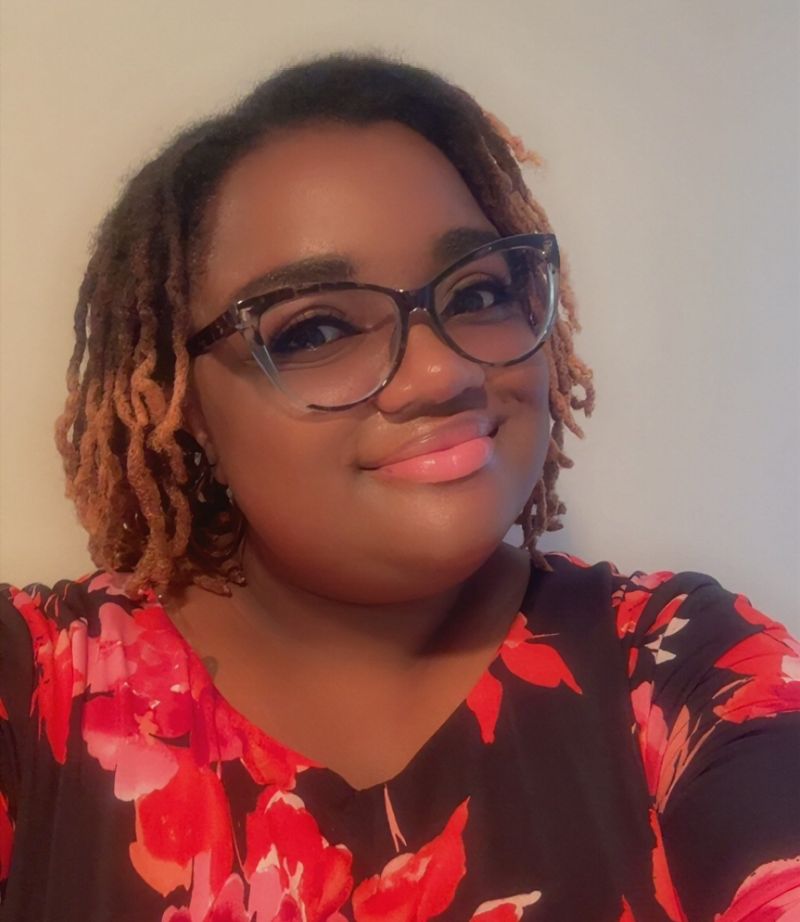
As an African American woman living with bipolar I disorder, my mental health journey has been shaped by both my diagnosis and the community around me. In my experience, mental health challenges like depression, bipolar disorder, and therapy are not often discussed openly in the African American community. When I was diagnosed eight years ago, it was a major adjustment for both my family and me. Some family members took longer than others to accept the diagnosis, but over time, I built a strong support system. Today, my family and community are supportive, understand what I need to stay well, and encourage me on my journey.
One of the places where I felt truly seen and affirmed was through therapy and DBSA. Even though I am often the only African American person in my support group—and sometimes the youngest regular member—I have never felt out of place. DBSA has always been welcoming and inclusive, and being surrounded by people who understand what I’m going through has helped me feel less alone.
Living with bipolar I disorder has not been easy. During manic episodes, I often felt misunderstood, especially during psychiatric hospitalizations. Because people experiencing mania can think and speak quickly, we are sometimes viewed as unpredictable or dangerous. I often felt judged because I would wake up throughout the night with endless energy, despite being given medication to help me sleep. At the same time, some staff recognized that I was friendly and outgoing, and they would even ask me to speak with interns so they could better understand what mania looks like.
When I was first diagnosed, I was devastated. I felt like there was something wrong with me. My therapist encouraged me to look up successful people who also live with bipolar disorder, and that simple advice helped me begin to see my diagnosis differently. Over time, I realized that having bipolar disorder did not define my potential.
DBSA played a major role in that transformation. Becoming active in my chapter gave me a sense of purpose, and I eventually became a leader and later president of my chapter. For years, I kept my mental health condition a secret. But when I stepped into a leadership role, I shared my story publicly on social media and was surprised by the overwhelmingly positive response. Today, I see myself as both a peer and a role model for others who are beginning their own mental health journeys.
Another important step toward stability was my decision to become sober from marijuana and alcohol three years ago. I realized those substances were not helping my mental health and were standing in the way of my wellness. Since becoming sober, I have felt more stable and more like myself than ever before.
Community, peer support, advocacy, and spirituality have all been essential parts of my recovery. Through DBSA and peer support training, I have learned more about myself, discovered my strengths, and found meaningful ways to help others. My relationship with spirituality has evolved as well. At first, I wondered if God was punishing me with this diagnosis. Eventually, I came to believe that this was simply part of my journey. I learned to accept that I am still wonderfully made. Like everyone else, I have challenges; mine just happen to be invisible.
One of the biggest lessons I have learned is that mental health should not be treated as a shameful secret, especially in communities of color. Just because these conversations are not always happening does not mean they should remain hidden. You never know how sharing your story might help someone else who is struggling.
Peer support has changed my life. It has helped me feel seen, heard, and understood by people who truly “get it.” Sharing my story has also been healing in ways I never expected. When I moved from Maryland to Las Vegas, I knew very few people outside of my family. Through DBSA, I built meaningful connections and found a community that made a new place feel like home.
Feeling safe, seen, and understood means everything to me. We all want connection, acceptance, and a place where we can be ourselves. I am grateful that I found that through DBSA and peer support.
As a survivor of two suicide attempts, I am thankful to still be here to tell my story. I share it because I want to bring awareness to mental health and help fight stigma. I hope someone hears my story and thinks, “If she can make it, so can I.” Mental health conditions do not make us broken. I do not like to think of them as disorders or issues because that implies there is something wrong with us. We are just like everyone else—just a little different. And our stories deserve to be heard.